
We specialize in
Home Inspections
4-Point Inspections
Wind Mitigations
in Tampa & Hillsborough
Home Inspections
4-Point Inspections
Wind Mitigations
in Tampa & Hillsborough
We are your Tampa Bay Home Inspection experts!
For decades we have been inspecting homes and condos across Hillsborough County, from historic South Tampa bungalows to newer homes in Westchase and New Tampa.
Call us today and put our experience to work for you!
727-781-0729
Home inspections in Tampa, Florida
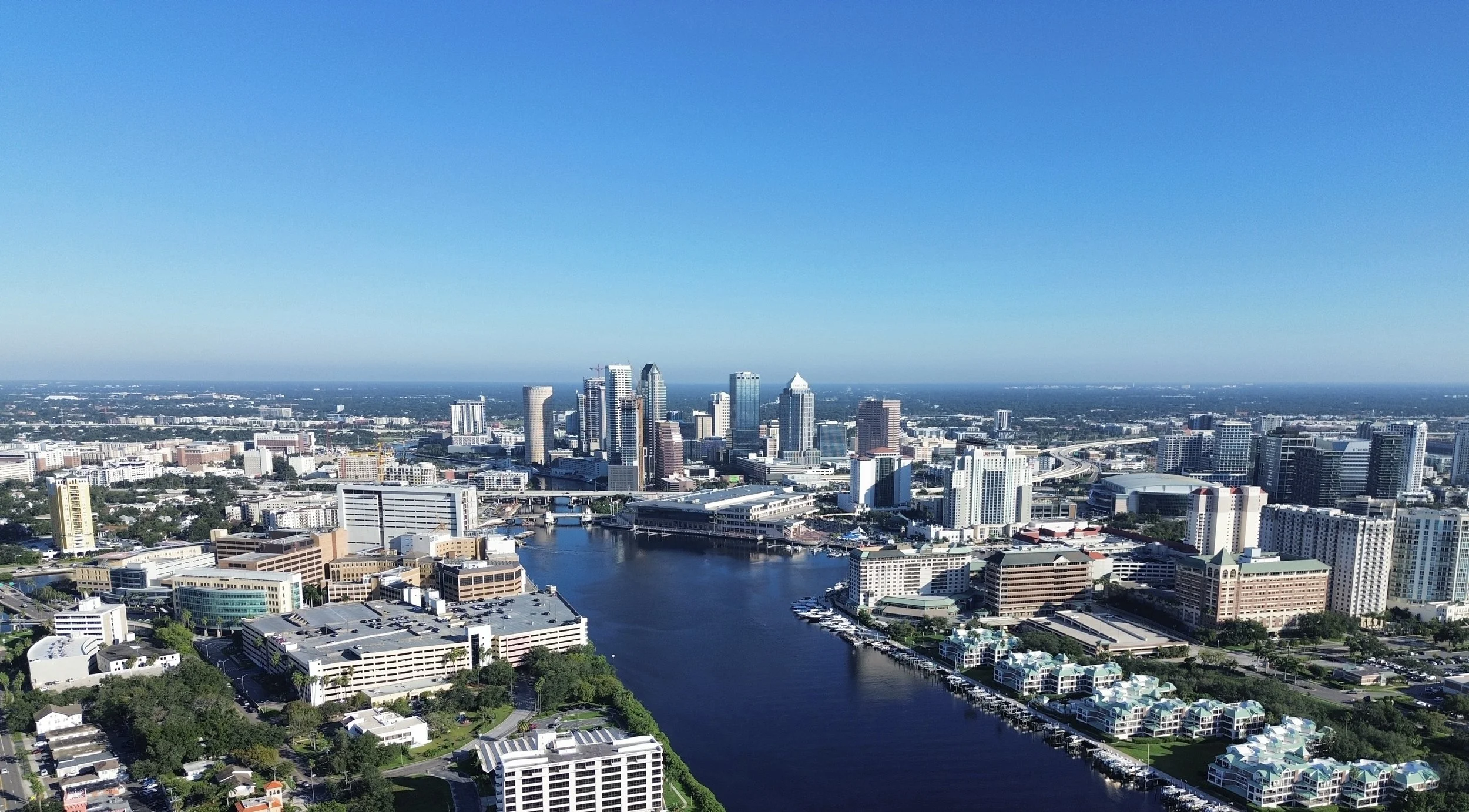
Tampa is the largest city on Tampa Bay and the center of Hillsborough County. We are based in Tarpon Springs and serve Tampa and the rest of Hillsborough County, along with Pinellas and Pasco. Few cities in the region have a wider range of houses.
Hyde Park, Tampa Heights, and the homes along Bayshore Boulevard include some of the oldest housing in the city, with early 1900s mansions, frame homes, and bungalows. Seminole Heights is known for its Craftsman bungalows, and Davis Islands was built during the 1920s Florida land boom with Mediterranean Revival homes along its canals. Farther out, Carrollwood, Westchase, and New Tampa are largely later suburban construction, with many homes built in recent decades.
Pre-purchase home inspections
A home inspection is for the buyer, not the insurance company. It is a visual review of the house as it stands today, so you know what you are buying before you close.
In Tampa, that often means paying extra attention to:
Roof age and condition, especially on older bungalows and storm-repaired homes
Attic ventilation, decking, and signs of prior leaks
Electrical panels and wiring in older homes, some of which may still have outdated wiring
Plumbing supply lines, drains, and water heaters
HVAC age and operation
Windows, doors, and exterior openings
Signs of past flooding, such as replaced drywall, new flooring, and water lines, plus drainage on low-lying lots
A 1920s bungalow in Seminole Heights and a newer home in New Tampa are very different inspections. Older homes have been repaired and updated over many decades, and wood framing, piers, and past additions need a careful look. Newer homes are not a clean bill of health either. Roof installation, stucco, and mechanical systems still need a look before closing. After Helene and Milton, buyers in surge-affected neighborhoods should also ask whether repairs were permitted and closed out. Condo buyers get a unit inspection focused on the interior systems the owner is responsible for. The association typically maintains the roof and exterior of the building.
4-point inspections in Tampa
A 4-point inspection is an insurance report, not a full home inspection. Carriers use it to underwrite older homes. It is commonly requested on houses more than about 20 to 25 years old, and sometimes on older condo units before an HO-6 policy is issued.
The report covers four systems:
Roof — covering type, approximate age, and visible condition
Electrical — panel, wiring type, and obvious hazards
Plumbing — supply lines, drains, and the water heater
HVAC — age and whether the system is operational
A historic Hyde Park home and a 1990s house in Carrollwood can both need one. Updated roofs, panels, plumbing, and air conditioners usually make a policy easier to place. We photograph each system and deliver a report carriers can read.
Wind mitigation inspections in Tampa
A wind mitigation inspection documents how the house is built to handle wind. Florida insurers are required to offer credits for verified wind-resistant features, and the findings go on the state's uniform form, OIR-B1-1802, so the report follows you from carrier to carrier.
The inspection covers:
Building code and year built
Roof covering and permit age
Roof deck attachment
Roof-to-wall connections, such as toe nails, clips, or straps
Roof shape, including whether it qualifies as a hip roof
Secondary water resistance under the roof covering
Opening protection on windows, doors, and the garage door
Credits are not automatic. Homes built after the Florida Building Code took effect in 2002, common in parts of Westchase and New Tampa, often qualify for stronger credits, but only once they are documented. Older homes with a newer permitted roof, clips or straps, a hip roof, or impact openings can still earn meaningful savings. After a re-roof or window replacement, an updated wind mitigation is what turns the upgrade into a discount.
Where we inspect in Tampa
We cover Tampa and the surrounding Hillsborough County communities, including:
South Tampa, Hyde Park, Bayshore, and Davis Islands
Seminole Heights and Tampa Heights
Westshore and areas south of Gandy
Carrollwood and Westchase
New Tampa and nearby Town 'n' Country and Citrus Park
What to have ready
A wind mitigation goes faster, and credits are easier to document, if you can share:
The roof permit or closing papers showing the roof installation date
Impact-window or shutter paperwork, including product approvals
Any prior wind mitigation or 4-point report
Most underwriters will require permits and documentation to verify most "discount applying" attributes.
Frequently asked questions
Do I need both a 4-point and a wind mitigation? Often, yes. The 4-point tells the carrier whether the roof, electrical, plumbing, and HVAC are insurable. The wind mitigation tells them which wind credits you qualify for. Many Tampa buyers order both with the home inspection so closing and insurance stay on the same timeline.
Is a wind mitigation the same as a home inspection? No. A home inspection looks at the condition of the house for the buyer. A wind mitigation only documents construction features that may lower the wind portion of the premium.
Will a wind mitigation lower my insurance? It can, if the house has features the carrier credits, such as a hip roof, straps or clips, a newer roof covering, or rated opening protection. The inspection documents what is there. Your agent or carrier applies the discount.
Should I inspect a South Tampa home that flooded during Helene? Yes. An inspection shows the current condition of the repairs, the roof, and the systems. It does not determine flood zone status or whether a home must be elevated, so also check permit history with the city and ask your agent about flood insurance before you close.