
We specialize in,
Home Inspections
4 Point Inspections
Wind Mitigations
In Clearwater FL.
We specialize in
Home Inspections
4 Point inspections
Wind Mitigations
In Clearwater FL.
We are the Clearwater FL Home Inspection experts!
For decades we have been inspecting homes and condos throughout Clearwater and surrounding areas. We have inspected thousands of homes and condos in Clearwater.
Call us today and put our experience to work for you!
Home inspections in Clearwater, Florida
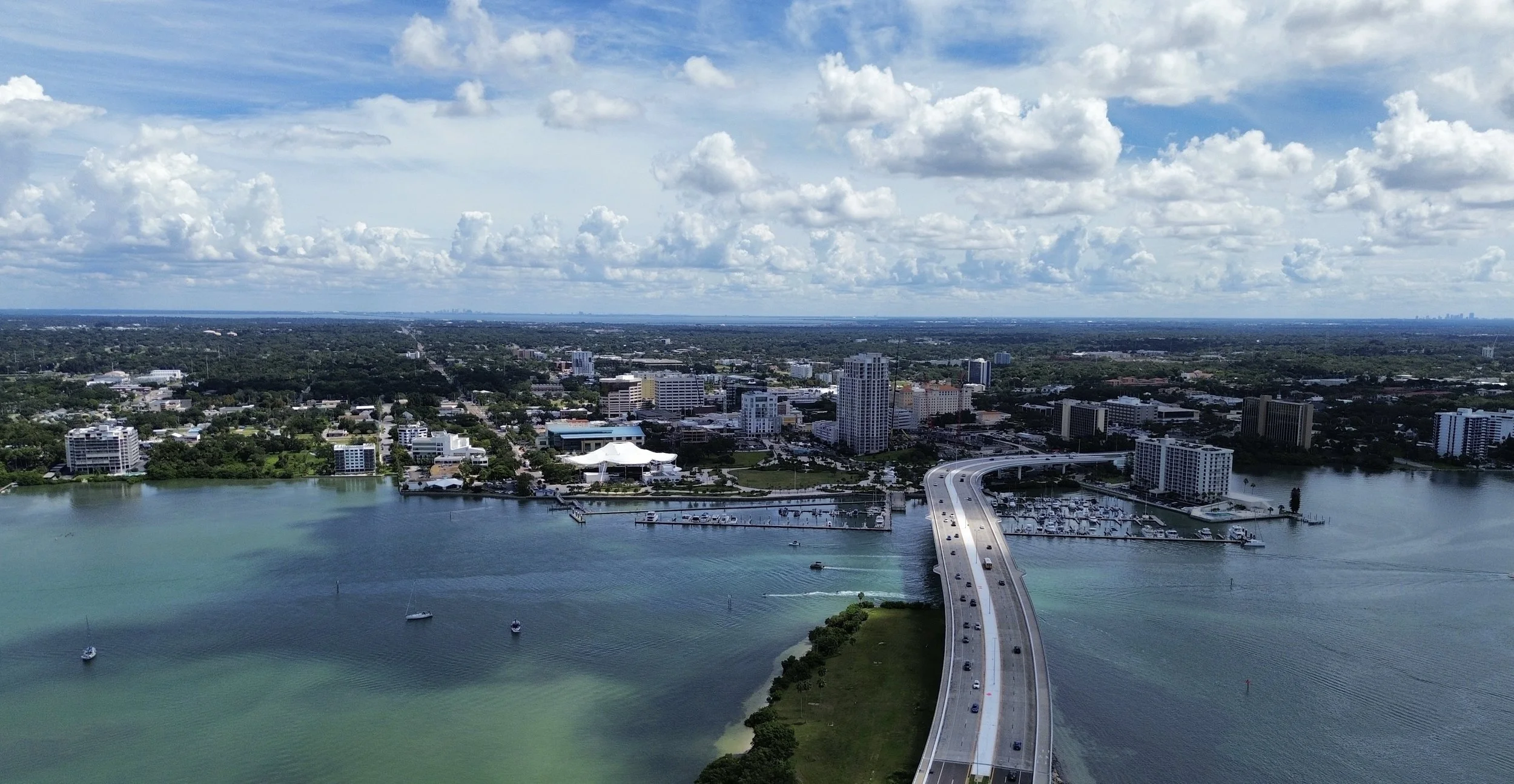
Clearwater sits on a narrow stretch of Pinellas County between the Gulf of Mexico and Tampa Bay. That location shapes both the housing stock and what insurance companies want to see before they write a policy.
Mainland neighborhoods such as Countryside, Skycrest, Morningside, Harbor Oaks, and Coachman Ridge are full of concrete-block homes built in the 1960s, 1970s, and 1980s. The median Clearwater home dates to the late 1970s, and more than half of the city’s housing was built before 1980. Across the causeway, Clearwater Beach, Sand Key, and Island Estates add waterfront homes and condo buildings with higher wind and storm-surge exposure.
We inspect that mix every week: pre-purchase home inspections for buyers, plus the wind mitigation and 4-point reports Florida carriers ask for at purchase or renewal.
Pre-purchase home inspections
A home inspection is for the buyer, not the insurance company. It is a visual review of the house as it stands today, so you know what you are buying before you close.
In Clearwater, that often means paying extra attention to:
Roof age and condition, especially on older block homes and coastal properties
Attic ventilation, decking, and signs of prior leaks
Electrical panels and wiring common in homes from the 1960s through the 1980s
Plumbing supply lines and water heaters
HVAC age and operation
Windows, doors, and exterior openings
Drainage around the foundation, which matters in a flat coastal city
Condo buyers on Clearwater Beach and Sand Key get a unit inspection focused on the interior systems the owner is responsible for. The association, not the unit owner, typically maintains the roof and exterior of the building.
4-point inspections in Clearwater
A 4-point inspection is an insurance report, not a full home inspection. Carriers use it to underwrite older homes. In Pinellas County it is commonly requested on houses more than about 20 to 25 years old, and sometimes on older condo units before an HO-6 policy is issued.
The report covers four systems:
Roof — covering type, approximate age, and visible condition
Electrical — panel, wiring type, and obvious hazards
Plumbing — supply lines, drains, and the water heater
HVAC — age and whether the system is operational
A 1970s ranch in Skycrest and a beach condo can both need a 4-point. The difference is what the inspector finds. Updated roofs, panels, plumbing, and air conditioners usually make a policy easier to place. We photograph each system and deliver a report carriers can read.
Wind mitigation inspections in Clearwater
A wind mitigation inspection documents how the house is built to handle wind. Florida insurers are required to offer credits for verified wind-resistant features, and the findings go on the state’s uniform form, OIR-B1-1802, so the report follows you from carrier to carrier.
The inspection covers:
Building code and year built
Roof covering and permit age
Roof deck attachment
Roof-to-wall connections, such as toe nails, clips, or straps
Roof shape, including whether it qualifies as a hip roof
Secondary water resistance under the roof covering
Opening protection on windows, doors, and the garage door
Credits are not automatic. Impact windows help, but they are only one line on the form. Roof shape, roof-to-wall connections, and a newer permitted roof often move the premium more. After a re-roof or window replacement, an updated wind mitigation is what turns those upgrades into a discount. Homes built or improved after the Florida Building Code took effect in 2002 often qualify for stronger credits, but older Clearwater houses with clips, a hip roof, or opening protection can still earn meaningful savings.
Where we inspect in Clearwater
We cover Clearwater and nearby Pinellas communities, including:
Clearwater Beach, Sand Key, and Island Estates
Downtown and the harbor
Countryside, Skycrest, Morningside, and Coachman Ridge
Harbor Oaks and surrounding mainland neighborhoods
Nearby Belleair, Dunedin, Safety Harbor, and Largo
What to have ready
A wind mitigation goes faster, and credits are easier to document, if you can share:
The roof permit or closing papers showing the roof installation date
Impact-window or shutter paperwork, including product approvals
Any prior wind mitigation or 4-point report
Most underwriters will require permits and documentation to verify most “discount applying” attributes.
Frequently asked questions
Do I need both a 4-point and a wind mitigation? Often, yes. The 4-point tells the carrier whether the roof, electrical, plumbing, and HVAC are insurable. The wind mitigation tells them which wind credits you qualify for. Many Clearwater buyers order both with the home inspection so closing and insurance stay on the same timeline.
Is a wind mitigation the same as a home inspection? No. A home inspection looks at the condition of the house for the buyer. A wind mitigation only documents construction features that may lower the wind portion of the premium.
Will a wind mitigation lower my insurance? It can, if the house has features the carrier credits, such as a hip roof, straps or clips, a newer roof covering, or rated opening protection. The inspection documents what is there. Your agent or carrier applies the discount.
Do Clearwater Beach condos need these reports? Many carriers want a 4-point on older units before writing an HO-6 policy. Wind mitigation is usually done on the building, not the individual unit, because the roof and opening protection are common elements. Ask your agent which report they need before you order.